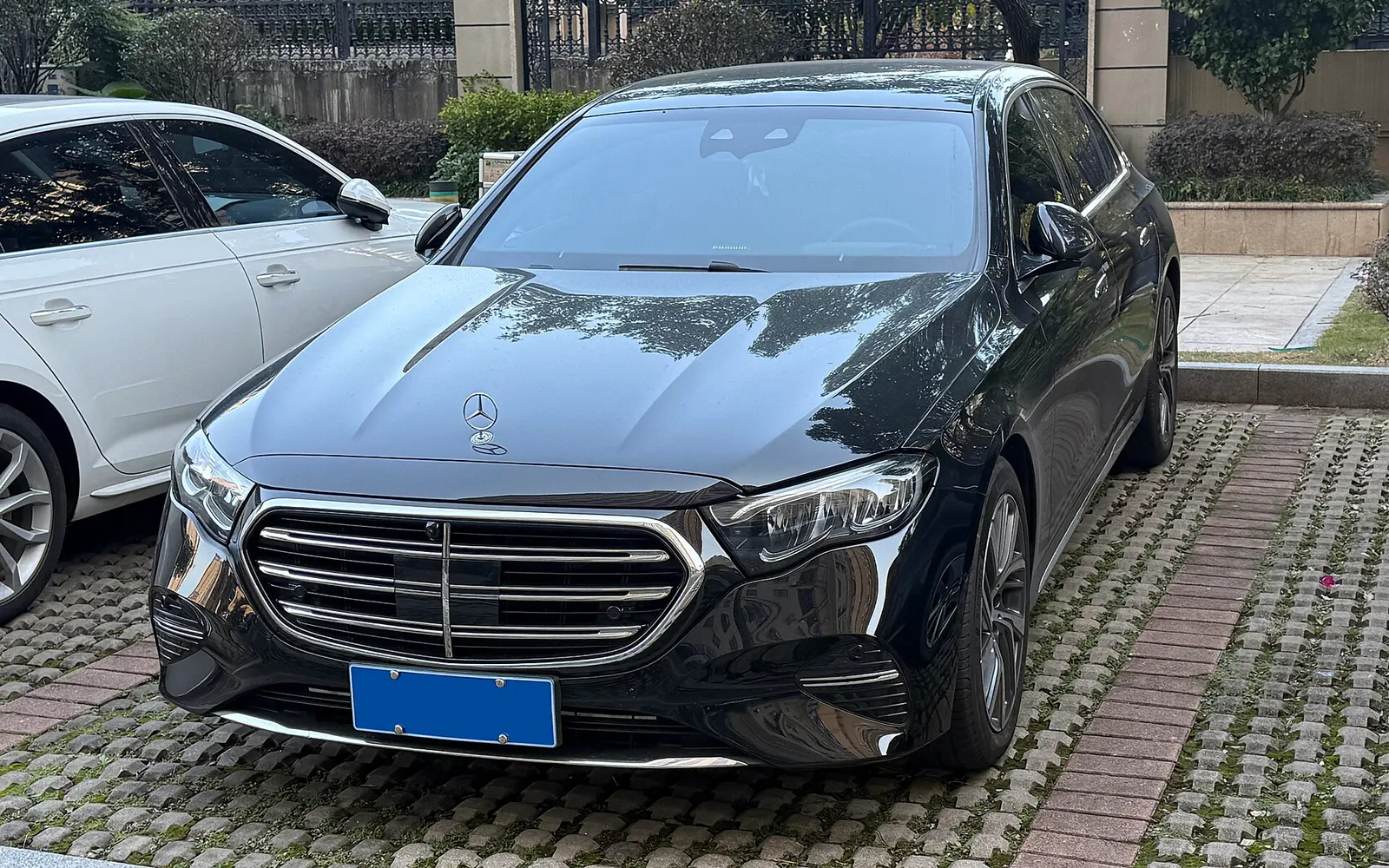
2026 Mercedes-Benz E-Class
US · Wagon · Midsize Cars
The 2026 Mercedes-Benz E-Class is listed in the US market as a wagon. Every figure below carries the source it came from, and anything our sources do not publish is left out rather than estimated.
- Engine
- Varies by configuration: 3.0L 6-cylinder turbocharged (SIDI; PHEV), 2.0L 4-cylinder turbocharged (SIDI; Mild Hybrid), 3.0L 6-cylinder supercharged (SIDI; Mild Hybrid)
- Transmission
- 9-speed automatic
- Drivetrain
- Varies by configuration: AWD, RWD
- Fuel
- Varies by configuration: Plug-in hybrid, Hybrid
- Economy
- 25 mpg (9.4 L/100 km) to 28 mpg (8.4 L/100 km) combined
Key Figures
Engine
| Specification | Value | Source |
|---|---|---|
| Engine | Varies by configuration: 3.0L 6-cylinder turbocharged (SIDI; PHEV), 2.0L 4-cylinder turbocharged (SIDI; Mild Hybrid), 3.0L 6-cylinder supercharged (SIDI; Mild Hybrid) | |
| Displacement | 2.0 L to 3.0 L | |
| Cylinders | 4 to 6 | |
| Aspiration | Varies by configuration: Turbocharged, Supercharged | |
| Fuel type | Varies by configuration: Plug-in hybrid, Hybrid | EPA fueleconomy.gov |
Transmission and drivetrain
| Specification | Value | Source |
|---|---|---|
| Transmission | Automatic | EPA fueleconomy.gov |
| Gears | 9 | |
| Drivetrain | Varies by configuration: AWD, RWD |
Fuel economy and range
| Specification | Value | Source |
|---|---|---|
| Combined | 25 mpg (9.4 L/100 km) to 28 mpg (8.4 L/100 km) | EPA fueleconomy.gov |
| City | 22 mpg (10.7 L/100 km) to 25 mpg (9.4 L/100 km) | |
| Highway | 31 mpg (7.6 L/100 km) to 33 mpg (7.1 L/100 km) |
Our sources do not publish these for this vehicle: Power, Torque, Electric range, Battery capacity. We leave them out instead of estimating.
Trims and configurations
6 configurations listed by our sources. Engines, drivetrains and fuel economy can differ between them.
- AMG E53 Hybrid 4matic Plus · 3.0L · AWD · 9-speed automatic · Plug-in Hybrid
- AMG E53 Hybrid 4matic Plus (station wagon) · 3.0L · AWD · 9-speed automatic · Plug-in Hybrid
- E350 · 2.0L · RWD · 9-speed automatic · Hybrid
- E350 4matic · 2.0L · AWD · 9-speed automatic · Hybrid
- E450 4matic · 3.0L · AWD · 9-speed automatic · Hybrid
- E450 4matic All-Terrain (wagon) · 3.0L · AWD · 9-speed automatic · Hybrid
Recalls
No recall campaigns were found in NHTSA data at the last check. Last checked November 10, 2026.
Data sources
- NHTSA vPIC · retrieved September 30, 2026 · US Government public data
- EPA fueleconomy.gov · retrieved November 2, 2026 · US Government public data
Source checked: November 2, 2026
Data verified: November 2, 2026
Specifications can vary by market, trim, configuration and production date. Confirm with the manufacturer before buying parts or making safety decisions. Report an error.
Compare
Related vehicles
 2027 Mercedes-Benz E-Class
Wagon, Hybrid
Varies by configuration: 2.0L 4-cylinder turbocharged (SIDI; Mild Hybrid), 3.0L 6-cylinder supercharged (SIDI; Mild Hybrid) · Varies by configuration: RWD, AWD
28 mpg (8.4 L/100 km) to 25 mpg (9.4 L/100 km)- 2025 Mercedes-Benz E-Class
Varies by configuration: Plug-in hybrid, Hybrid
Varies by configuration: 3.0L 6-cylinder turbocharged (SIDI; PHEV), 2.0L 4-cylinder turbocharged (SIDI; Mild Hybrid), 3.0L 6-cylinder supercharged (SIDI; Mild Hybrid) · Varies by configuration: AWD, RWD
28 mpg (8.4 L/100 km) to 25 mpg (9.4 L/100 km)  2026 Mercedes-Benz AMG GT
Wagon, Varies by configuration: Hybrid, Gasoline
Varies by configuration: 2.0L 4-cylinder turbocharged (SIDI; Mild Hybrid), 3.0L 6-cylinder (SIDI; Mild Hybrid), 4.0L 8-cylinder turbocharged (SIDI) · Varies by configuration: RWD, AWD
22 mpg (10.7 L/100 km) to 16 mpg (14.7 L/100 km)- 2026 Mercedes-Benz GLB-Class
Wagon, Hybrid
2.0L 4-cylinder turbocharged (SIDI; Mild Hybrid) · Varies by configuration: AWD, FWD
28 mpg (8.4 L/100 km) to 23 mpg (10.2 L/100 km)  2026 Mercedes-Benz GLC-Class
Wagon, Hybrid
2.0L 4-cylinder turbocharged (SIDI; Mild Hybrid) · 255 hp (190 kW) · Varies by configuration: AWD, RWD
27 mpg (8.7 L/100 km) to 22 mpg (10.7 L/100 km)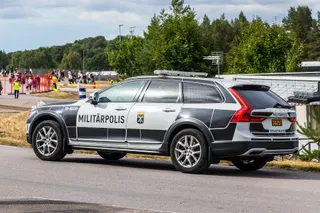 2026 Volvo V90
Wagon, Hybrid
2.0L 4-cylinder supercharged (SIDI; Mild Hybrid) · AWD
25 mpg (9.4 L/100 km)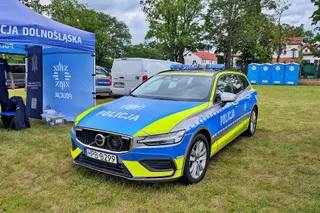 2026 Volvo V60
Wagon, Hybrid
2.0L 4-cylinder turbocharged (SIDI; Mild Hybrid) · AWD
26 mpg (9.0 L/100 km)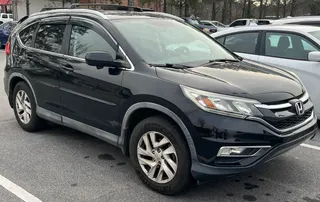 2026 Honda CR-V
Wagon, Varies by configuration: Gasoline, Hybrid
Varies by configuration: 1.5L 4-cylinder turbocharged (SIDI), 2.0L 4-cylinder (SIDI; Hybrid), 2.0L 4-cylinder (SIDI; Hybrid;) · 204 hp (152 kW) · Varies by configuration: AWD, FWD
40 mpg (5.9 L/100 km) to 29 mpg (8.1 L/100 km)
Explore similar vehicles
Frequently asked questions
What engine does the 2026 Mercedes-Benz E-Class have?
Varies by configuration: 3.0L 6-cylinder turbocharged (SIDI; PHEV), 2.0L 4-cylinder turbocharged (SIDI; Mild Hybrid), 3.0L 6-cylinder supercharged (SIDI; Mild Hybrid). Engines can differ by trim, so check the trim list below.
What is the fuel economy of the 2026 Mercedes-Benz E-Class?
Combined fuel economy is 25 mpg (9.4 L/100 km) to 28 mpg (8.4 L/100 km), as published by the source shown in the specification table.
Is the 2026 Mercedes-Benz E-Class front-wheel, rear-wheel or all-wheel drive?
Drivetrain: Varies by configuration: AWD, RWD.
Are there recalls for the 2026 Mercedes-Benz E-Class?
No recall campaigns were found in NHTSA data when we last checked on November 10, 2026. Recall status can change, so confirm with NHTSA or the manufacturer.